
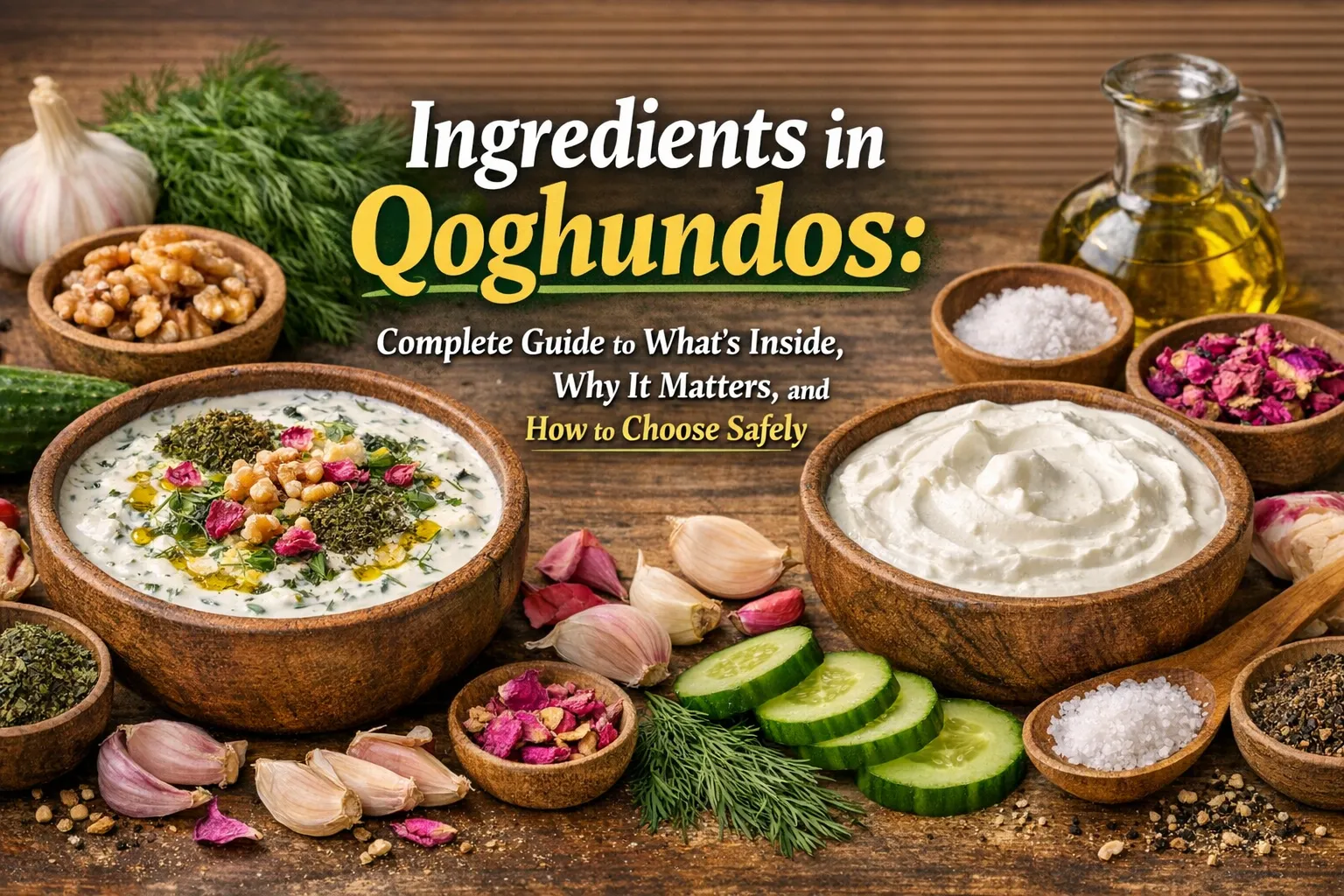
Have you ever wondered what goes into Qoghundos? This unique dish has captured the hearts of many food enthusiasts around the world. Its vibrant flavors and textures make it unforgettable. But understanding what actually goes into it can elevate your cooking game and give you a deeper appreciation of the dish. Let’s take a friendly, detailed journey through the ingredients of Qoghundos, exploring their significance and how they come together to create this culinary masterpiece.
The Main Ingredient: Qoghundos Base
At the heart of Qoghundos is its base ingredient. Depending on the variation, this can be a type of grain or root vegetable. The base provides structure and body to the dish. For instance, some traditional recipes use mashed tubers, which give a creamy texture. Others use finely ground grains that offer a firmer consistency.
This ingredient is not just about texture; it also influences flavor. A root-based base adds an earthy taste, while grains create a mild backdrop that allows spices and other ingredients to shine. Using fresh, high-quality ingredients for this base ensures that the dish’s overall flavor is rich and balanced.
Proteins That Elevate the Dish
Next comes the protein component. Qoghundos often incorporates meats or legumes, depending on dietary preferences. Chicken and lamb are popular choices because they absorb the flavors of the spices beautifully.
For vegetarian versions, chickpeas or lentils are commonly used. These legumes not only add protein but also give the dish a satisfying bite. Incorporating protein ensures the dish is hearty, making it suitable for lunch or dinner.
Fresh Vegetables for Color and Flavor
No Qoghundos is complete without fresh vegetables. Carrots, bell peppers, and onions are often included to provide sweetness, crunch, and aroma. Leafy greens like spinach or kale may also be added to give the dish a fresh and vibrant look.
Vegetables are crucial because they create balance. While the base and proteins provide substance, vegetables contribute moisture, nutrients, and visual appeal. They also help lighten the dish, preventing it from feeling too heavy.
The Secret Spices of Qoghundos
One of the most exciting aspects of Qoghundos is its spice blend. Spices define its signature flavor and aroma. Commonly used spices include cumin, coriander, turmeric, and paprika. Each spice plays a unique role.
-
Cumin gives a warm, earthy undertone.
-
Coriander adds a citrusy brightness.
-
Turmeric contributes color and a subtle bitterness.
-
Paprika brings a mild smokiness.
Spices are added at various stages of cooking. Some are sautéed with onions to release their essential oils, while others are sprinkled at the end to retain their aroma. The careful layering of spices is what makes Qoghundos taste so complex.
Aromatic Herbs That Enhance Taste
Herbs are often overlooked but are essential in Qoghundos. Fresh parsley, cilantro, and mint are popular choices. These herbs add freshness and a hint of brightness to every bite.
Adding herbs towards the end of cooking preserves their aroma. This final touch ensures that the dish has a lively, garden-fresh quality. Herbs also complement the heavier elements, like protein and base, creating a well-rounded flavor profile.
Essential Liquids: Broths and Oils
Qoghundos is a dish that often requires cooking liquids to bind ingredients and enhance flavor. Chicken, vegetable, or lamb broths are commonly used. These broths add depth and a savory richness to the dish.
Oils play a crucial role too. Olive oil or ghee is often used to sauté the base and spices. This step not only prevents sticking but also helps release the flavors of spices and herbs. The combination of broth and oil ensures that Qoghundos is moist and flavorful rather than dry.
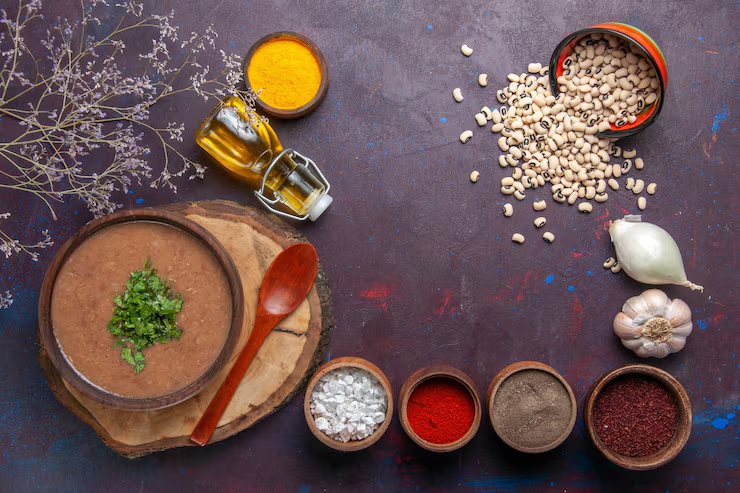
Nuts and Seeds for Crunch
While optional, nuts and seeds add a delightful crunch to Qoghundos. Almonds, cashews, and pumpkin seeds are frequently used. They introduce a nutty flavor and an unexpected textural contrast to the creamy base.
Including nuts also enhances the dish’s nutritional value. They contribute healthy fats, proteins, and minerals, making Qoghundos not only delicious but also wholesome.
The Role of Acids: Lemon and Vinegar
A small amount of acid can make a big difference in flavor. Lemon juice or mild vinegar is sometimes added to Qoghundos to brighten the overall taste. The acidity cuts through the richness of the base and proteins, balancing the flavors beautifully.
Acids also enhance aroma. When sprinkled just before serving, they release fresh, zesty notes that elevate the eating experience. This simple addition can make Qoghundos taste more vibrant and well-rounded.
Sweet Notes: Fruits and Sweeteners
Some regional variations of Qoghundos include fruits or sweeteners. Dried fruits like raisins or apricots introduce a subtle sweetness that complements the savory and spicy components.
Natural sweeteners like honey may also be used. This creates a harmonious contrast with spices and herbs, giving the dish complexity and depth. Sweet elements should be used sparingly, though, to avoid overpowering the other flavors.
Textural Enhancers: Grains and Legumes
Beyond the base, additional grains or legumes can be added to improve texture. Rice, bulgur, or lentils are often stirred in. They provide structure and help soak up the flavors of the broth and spices.
These ingredients also make the dish more filling. They absorb liquids while cooking, creating pockets of flavor that surprise with every bite. Combining textures is one reason Qoghundos is both comforting and interesting to eat.
How Ingredients Work Together
The beauty of Qoghundos lies in the harmony of its ingredients. The base provides creaminess, proteins add substance, vegetables bring freshness, spices create aroma, and herbs tie everything together. Broths and oils ensure moisture, while nuts, seeds, acids, and sweeteners introduce additional layers of flavor and texture.
Cooking Qoghundos is like orchestrating a symphony. Each ingredient has a role, and the timing of when to add them is key. Too early or too late can disrupt the balance. Mastering the combination of these ingredients makes the dish truly exceptional.
Tips for Selecting Ingredients
Choosing the right ingredients is crucial. Freshness is the most important factor. Fresh vegetables, herbs, and high-quality proteins make a huge difference. For spices, whole spices ground at home provide a more potent flavor than pre-ground varieties.
Always taste as you cook. This allows you to adjust seasoning and ensure that flavors are balanced. Selecting the right liquids, whether broth or oil, also affects the final outcome. Finally, consider dietary preferences and make substitutions thoughtfully to preserve the essence of Qoghundos.
Conclusion: The Secret to Delicious Qoghundos
Understanding the ingredients in Qoghundos gives you the knowledge to create a dish that is both flavorful and balanced. It’s not just about throwing ingredients together. It’s about combining them thoughtfully, respecting their individual qualities, and knowing how each one contributes to the whole.
From the creamy base to the vibrant spices, from fresh herbs to crunchy nuts, every component matters. Once you grasp this, cooking Qoghundos becomes more than just preparing a meal—it becomes an experience. With these insights, you’re ready to explore the wonderful world of Qoghundos and make it your own in the kitchen.







Leave a Reply